Human and machine intelligence: what HR must govern
Human and machine intelligence are now deeply intertwined in how work gets done. Algorithms inform decisions. Automation reshapes tasks. Generative tools influence thinking, writing and analysis. In many organisations, this shift has happened faster than governance structures can keep up.
The result is a growing gap between how work actually functions and how it is overseen.
For future-fit HR, that gap is not peripheral. It sits at the centre of HR’s evolving mandate.
The problem with treating AI as “just technology”
In many organisations AI is still treated primarily as a technology issue. Decisions about tools, deployment and automation often sit with IT, digital or innovation teams, with HR brought in later to manage impact or communication.
This separation assumes that technology and work can be governed independently.
In practice, they cannot.
AI does not simply automate existing tasks. It changes how decisions are made, how judgement is applied and how accountability is distributed. When those changes are governed only through a technical lens, organisations risk creating systems that are efficient but opaque, fast but untrusted.
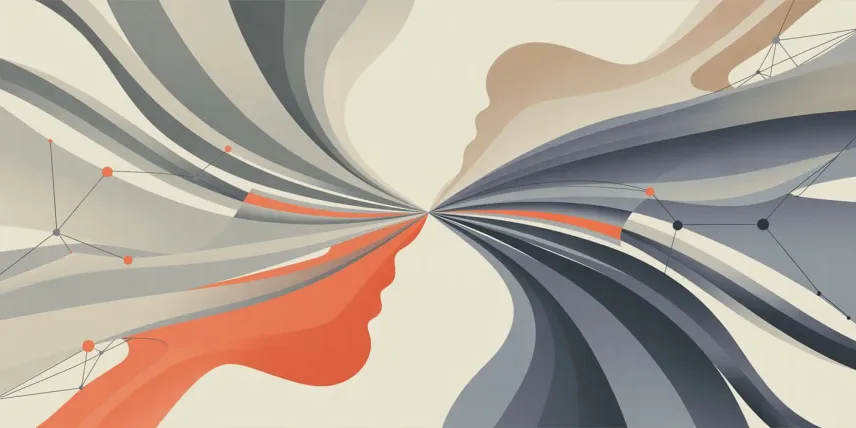
Human and machine intelligence do not coexist neatly by default. They have to be actively designed and governed together.
What governance means in a human–machine system
Governance is often misunderstood as control or compliance. In the context of human and machine intelligence it is better understood as responsibility for how decisions, accountability and trust are maintained as work changes.
For HR, this means taking responsibility for questions such as:
- which decisions should remain human-led, and which can be augmented or automated
- how accountability is defined when outcomes are influenced by algorithms
- how bias, transparency and fairness are monitored over time
- how employees understand, trust and engage with AI-enabled systems
- how learning and judgement evolve as machines take on cognitive tasks
These are not questions that can be answered once and left alone. They require ongoing oversight as systems, data and organisational priorities change.
Why HR cannot delegate this responsibility
Some argue that these issues belong with technology or risk teams. Others see them as ethical considerations to be handled through policy. Both approaches fall short.
Technology teams are experts in systems, not in how work is experienced or how trust is built. Risk teams tend to focus on compliance thresholds rather than day-to-day decision-making. Policies quickly become outdated as tools and use cases evolve.
HR, by contrast, sits at the intersection of work design, capability, data, culture and legitimacy. That positioning gives HR visibility across how human and machine intelligence interact in practice, not just in theory.
Future fit HR requires using that visibility to take responsibility, rather than deferring ownership elsewhere.
Governing intelligence is not anti-innovation
There is a persistent fear that governance will slow innovation. In reality, the opposite is often true.
When human and machine intelligence are poorly governed, organisations become cautious. Trust breaks down. Adoption stalls. Managers revert to manual workarounds. Employees disengage or resist tools they do not understand or trust.
Clear governance enables faster, more confident adoption. It provides clarity about boundaries, accountability and expectations. It allows experimentation without creating hidden risks.
For future fit HR, governance is not about limiting AI. It is about enabling its productive and ethical use at scale.
From adoption to orchestration
Many organisations are still focused on AI adoption. They measure success by how many tools are deployed or how many processes are automated.
Future-fit HR shifts the focus from adoption to orchestration.
Orchestration asks different questions:
- how do multiple AI-enabled tools interact with each other and with human judgement
- how do changes in one part of the system affect work elsewhere
- how do learning, performance and accountability evolve together
This systems view is essential in environments where intelligence is distributed across people and machines. Without it, organisations optimise locally and fail globally.
Why this matters for future-fit HR
Future-fit HR is about more than keeping pace with technology. It is about ensuring that as intelligence becomes increasingly machine-enabled, work remains productive, ethical and trusted.
If HR does not take responsibility for governing the interface between human and machine intelligence, that responsibility will default elsewhere, often without the necessary human perspective.
This is why future-fit HR is inseparable from the governance of intelligence. It is not an additional responsibility. It is part of owning the system of work.
For a clear definition of what future fit HR means and why this shift matters now, see our page on future-fit HR.
About the author